
- Welcome Guest
- Sign In
- Welcome Guest
- Sign In

AI search is changing how diners discover restaurants, with Local Falcon research finding many eateries visible on Google Maps are missing from AI-generated recommendations.

Uare.ai founder Rob LoCascio believes the future of AI belongs to individuals who own models trained on their expertise, creating new opportunities for licensing, monetization, and enterprise use.
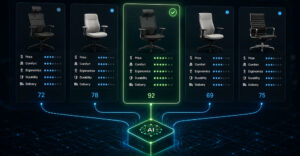
As AI takes a more active role in buying decisions, companies face growing pressure to adapt marketing, commerce, and customer engagement strategies.

As AI shopping agents become more capable, marketplaces face growing pressure to balance automation with accountability, trust, and human oversight.

Retailers are redesigning digital catalogs around shopper engagement data, using adaptive layouts and real-time analytics to improve conversions and personalize online shopping experiences.

Meta says it is expanding AI-based age enforcement tools across Facebook and Instagram to identify potentially underage users.

Experts say AI’s early returns are concentrated among major players, while broader economic benefits remain uneven.

AI is helping sales teams cut busywork and boost productivity, but it requires proper training and clear standards to build confidence and guide ethical use.

AI-driven simulations are helping organizations close sales execution gaps by turning practice into measurable readiness and performance.
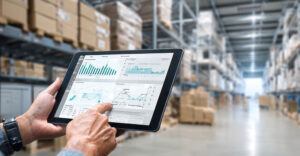
As margins tighten, mid-market retailers are turning away from legacy ERP toward cloud-native automation built for speed, simplicity, and real-time control.

U.S. e-commerce orders surged 147% in 2025, but growth was uneven as the top performers pulled ahead. Shoppers clicked less, yet spent more — rewarding brands that reacted faster.

Shorter B2B buying cycles are putting pressure on sales teams to respond quickly, revealing the growing gap between modern buying behavior and legacy RFP processes.

January, known in retail circles as Returnuary, is often the cruelest month for merchants, as post-holiday returns erode margins and strain reverse logistics.

Nimble’s unified marketing platform aims to help SMBs replace bloated email and CRM tools with a single system for managing campaigns, contacts, and customer engagement.
 Loading ...
Social Media
See all Social Media